
Local Culture Through Community Traditions
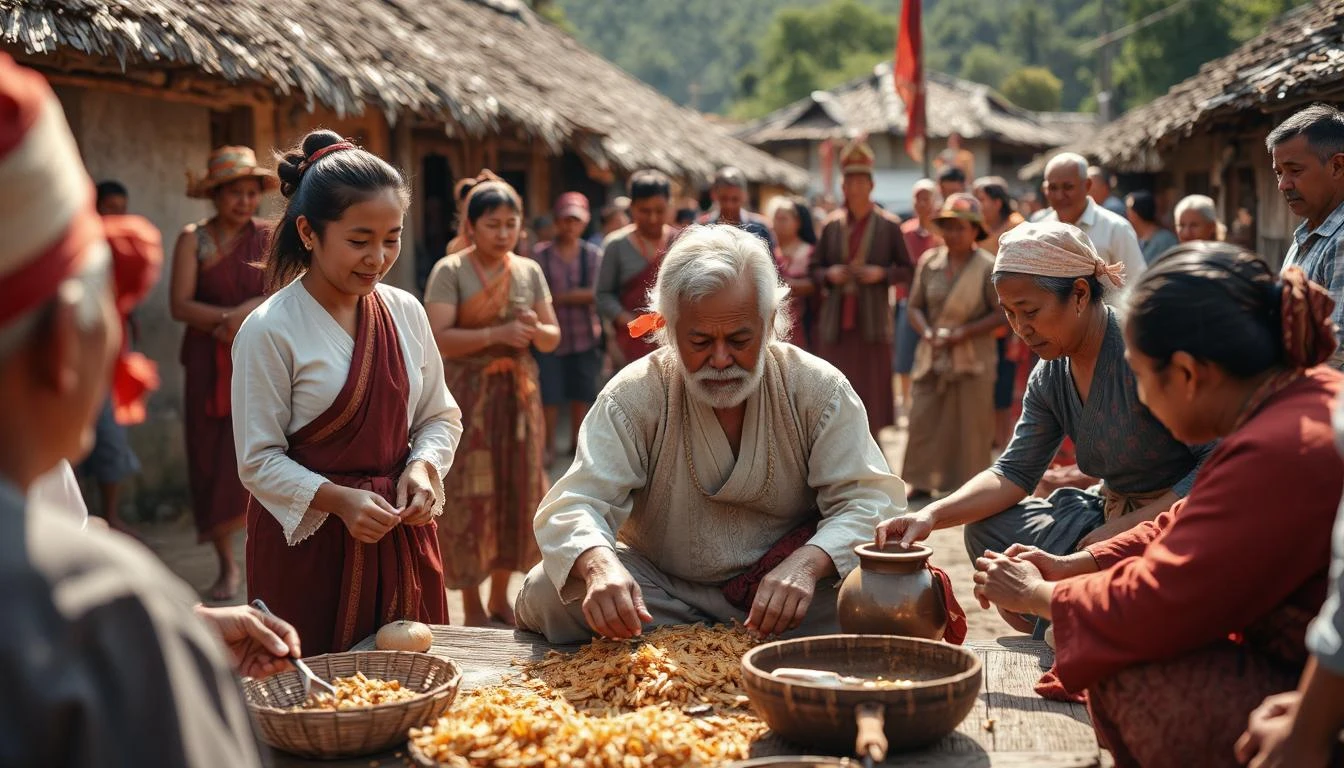
Human societies are shaped by invisible threads of meaning that pass from one generation to another through rituals, celebrations, and everyday habits. These expressions of life are not random, they form a structured yet evolving system of identity that quietly influences how communities understand themselves and the world around them.
In an era dominated by globalization and digital connectivity, local culture community traditions have become more visible than ever, shaping how cultural heritage, local customs, and regional lifestyle are preserved, transformed, and even shared through global marketplace platforms that connect communities across continents.
Exploring Local Culture And Heritage
Culture today is no longer something locked in museums or distant villages, it is constantly negotiated in daily life, online interactions, and cross-border exchanges.
The influence of cultural heritage and local customs continues to grow as communities adapt to modern pressures while maintaining identity through regional lifestyle practices that reflect both tradition and innovation.
Why traditions remain important in communities
Traditions persist because they provide emotional grounding and social structure. They help communities maintain continuity even when external influences shift rapidly.
Local culture community traditions play a crucial role in stabilizing identity, especially in environments where globalization and digital marketplaces reshape cultural visibility and interaction.
The connection between culture and identity
Culture is not separate from identity, it is its foundation. Every ritual, belief, and shared practice contributes to how individuals see themselves and their place in society.
As cultural theorist Stuart Hall once explained, “Identity is not fixed, but a production which is never complete,” emphasizing how cultural heritage continuously evolves through lived experience.
Discovering Unique Customs From Different Regions
Across the world, communities express identity through distinct customs, festivals in Asia, craft traditions in Europe, and oral storytelling in Africa.
These local customs are increasingly visible in global digital marketplaces, where handmade goods and cultural expressions reach audiences far beyond their original regions.
Understanding Community Traditions
Community traditions are living systems that evolve while preserving core values passed down through generations.
The role of local culture community traditions becomes even more significant in a globalized world where regional lifestyle patterns are influenced by migration, technology, and cross-cultural exchange.
How Traditions Preserve Cultural Heritage
Traditions function as living archives of knowledge, preserving language, rituals, and craftsmanship that define a community’s identity.
Through cultural heritage, communities maintain continuity even as global marketplace dynamics introduce new forms of cultural expression and exchange.
The Role of Celebrations And Local Events
Festivals and communal gatherings are powerful cultural expressions that reinforce belonging and shared identity.
These events often become bridges between local customs and international audiences, especially when showcased through tourism and digital storytelling platforms.
Exploring Practices Passed Through Generations
Many traditions survive because they are practiced, not just remembered. Skills like weaving, farming, and cooking carry ancestral knowledge into the present.
This reflects a resilient regional lifestyle where continuity is maintained through everyday practice rather than formal documentation.
Connecting With Communities Through Culture
Engagement with communities transforms cultural understanding from theory into lived experience.
In today’s interconnected world, local culture community traditions are increasingly exchanged through global marketplaces, cultural tourism, and digital storytelling ecosystems.
Learning From Local Lifestyles And Values
Observing regional lifestyle patterns reveals how environment, history, and social structures shape everyday decision-making and values.
Respecting Cultural Diversity While Traveling
Travel becomes meaningful when approached with respect and awareness of cultural heritage, ensuring that interaction strengthens rather than disrupts local identity.
Creating Meaningful Experiences Through Cultural Engagement
Authentic engagement happens when participation replaces observation, whether through workshops, markets, or cultural exchanges.
These experiences deepen understanding of local customs and strengthen human connection across cultural boundaries.
Discover The Richness Of Local Culture
The richness of human civilization lies in its diversity, expressed through countless traditions that continue to evolve across generations.
As local culture community traditions interact with global digital marketplaces, they gain new visibility while retaining their core meaning, allowing cultural heritage and local customs to coexist with modern regional lifestyle transformations.
Cultural anthropologist Margaret Mead once noted, “Culture is the learned behavior of a society, not a biological inheritance,” reinforcing the idea that traditions are continuously shaped by human interaction and adaptation.
When viewed through this lens, culture becomes a living dialogue rather than a static inheritance, one that connects past wisdom with present innovation.